We are showing results for electronic stethoscope. Still search for electric stethoscope?








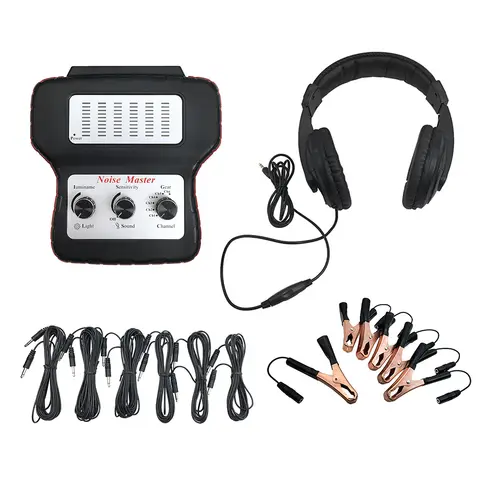





Results for electric stethoscope
Electric stethoscopes are advanced medical diagnostic tools that amplify internal body sounds electronically, offering superior clarity and noise reduction compared to traditional acoustic stethoscopes. They are ideal for healthcare professionals and remote diagnostics, especially in noisy environments or for detecting subtle cardiac and respiratory anomalies.
The search intent behind electric stethoscope reflects a growing demand for precision, digital integration, and enhanced auditory feedback in clinical settings. Users seeking this term typically want devices that deliver real-time audio amplification, noise filtering, and compatibility with mobile or recording systems. These tools are particularly valuable in telemedicine, rural healthcare, and medical training, where accurate auscultation is critical.
When selecting an electric stethoscope, consider the following key specifications:
While the listed products—ultrasonic horn, scooter lock, and phone display—do not qualify as electric stethoscopes, they highlight the importance of accurate product categorization. Misleading listings can lead to incorrect purchases and clinical inefficiencies. Always verify product specifications, especially for medical devices, to ensure compliance with healthcare standards.
For optimal performance, clean the diaphragm regularly, avoid exposure to moisture, and calibrate the device monthly. Avoid using in high-voltage environments or near MRI machines. When in doubt, consult a certified medical equipment supplier or review CE/ISO certification details.
Investing in a reliable electric stethoscope improves diagnostic accuracy, supports remote consultations, and enhances patient care—making it a must-have tool in modern clinical practice.
The search intent behind electric stethoscope reflects a growing demand for precision, digital integration, and enhanced auditory feedback in clinical settings. Users seeking this term typically want devices that deliver real-time audio amplification, noise filtering, and compatibility with mobile or recording systems. These tools are particularly valuable in telemedicine, rural healthcare, and medical training, where accurate auscultation is critical.
- Electric Stethoscope
- A digital medical device that uses electronic sensors to capture and amplify heart, lung, and bowel sounds, transmitting them through headphones or connected devices. Unlike traditional stethoscopes, they offer adjustable gain, built-in noise cancellation, and the ability to record or stream audio.
- Frequency Response Range
- The range of sound frequencies a stethoscope can detect. A high-quality electric stethoscope typically covers 20 Hz to 20,000 Hz, enabling clear detection of both low-frequency murmurs and high-frequency breath sounds.
- Signal-to-Noise Ratio (SNR)
- A measure of signal clarity. A higher SNR (e.g., 60 dB or above) indicates better performance in filtering out ambient noise, crucial in busy clinics or emergency settings.
When selecting an electric stethoscope, consider the following key specifications:
- Frequency Range: Ensure the device supports at least 20 Hz – 20 kHz for comprehensive auscultation.
- Audio Output: Look for models with dual-channel stereo output and compatibility with smartphones via Bluetooth or 3.5mm jack.
- Power Source: Choose between rechargeable batteries (e.g., USB-C) or replaceable AAA batteries for portability and long-term use.
- Build Quality: Opt for durable, hypoallergenic materials with a secure, ergonomic design to reduce fatigue during prolonged use.
- Recording & Connectivity: Devices with built-in memory or app integration allow for storing patient data and sharing with specialists.
While the listed products—ultrasonic horn, scooter lock, and phone display—do not qualify as electric stethoscopes, they highlight the importance of accurate product categorization. Misleading listings can lead to incorrect purchases and clinical inefficiencies. Always verify product specifications, especially for medical devices, to ensure compliance with healthcare standards.
For optimal performance, clean the diaphragm regularly, avoid exposure to moisture, and calibrate the device monthly. Avoid using in high-voltage environments or near MRI machines. When in doubt, consult a certified medical equipment supplier or review CE/ISO certification details.
Investing in a reliable electric stethoscope improves diagnostic accuracy, supports remote consultations, and enhances patient care—making it a must-have tool in modern clinical practice.