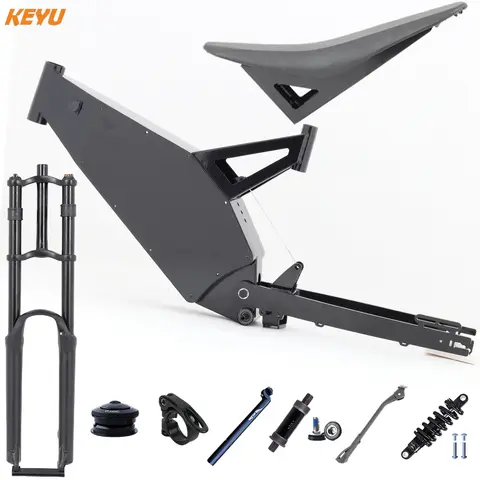


Results for ebike frame
When searching for ebike frame, buyers are typically looking for durable, lightweight, and compatible structural components that support electric bike assembly, upgrades, or replacements—especially for models like mountain, city, or folding e-bikes. The right frame ensures safety, performance, and long-term reliability.
Understanding the search intent behind ebike frame reveals that users are often in the decision-making phase of purchasing or upgrading an electric bicycle. They seek frames that match their riding style, weight capacity, motor compatibility, and wheel size. Whether replacing a damaged frame or building a custom e-bike, the frame is the foundational element determining the bike’s overall functionality.
To choose the right e-bike frame, follow these steps:
When evaluating frames, prioritize models with reinforced joints, threaded bottom brackets (for mid-drive motors), and rear dropout spacing of 135mm or 148mm for proper wheel alignment. Avoid frames with weak welds or non-standard geometries that may compromise ride stability.
For long-term performance, select frames made from 6061-T6 aluminum alloy—a proven balance of strength, weight, and cost. Always inspect for proper paint finish and smooth welds, as these indicate quality manufacturing.
In summary, the ideal e-bike frame delivers structural integrity, compatibility with your components, and a riding experience tailored to your needs. Whether you're upgrading or building from scratch, investing in a high-quality frame ensures safety, efficiency, and lasting value.
Understanding the search intent behind ebike frame reveals that users are often in the decision-making phase of purchasing or upgrading an electric bicycle. They seek frames that match their riding style, weight capacity, motor compatibility, and wheel size. Whether replacing a damaged frame or building a custom e-bike, the frame is the foundational element determining the bike’s overall functionality.
- E-bike Frame
- A structural component of an electric bicycle that supports the motor, battery, drivetrain, and rider. It must be engineered to handle increased weight and torque from electric components while maintaining strength and durability.
- Frame Material
- Common materials include aluminum alloy (lightweight and corrosion-resistant), steel (durable but heavier), and carbon fiber (ultra-light and high-performance, but costly).
- Motor Mount Compatibility
- Refers to whether the frame has pre-drilled holes or structural reinforcement for installing hub motors or mid-drive motors.
To choose the right e-bike frame, follow these steps:
- Identify your e-bike type: Determine if you need a mountain, city, folding, or cargo e-bike frame—each has distinct geometry and load requirements.
- Check motor compatibility: Ensure the frame supports your chosen motor type (e.g., 250W or 500W mid-drive or hub motor).
- Verify battery mounting options: Look for integrated or external battery mounts, especially if you plan to use a 36V or 48V battery.
- Confirm wheel size: Standard sizes are 20, 26, 27.5, and 29 for mountain bikes; 20 for folding models.
- Assess weight capacity: Most e-bike frames support 120–150 kg (265–330 lbs), but check manufacturer specs to avoid overloading.
When evaluating frames, prioritize models with reinforced joints, threaded bottom brackets (for mid-drive motors), and rear dropout spacing of 135mm or 148mm for proper wheel alignment. Avoid frames with weak welds or non-standard geometries that may compromise ride stability.
For long-term performance, select frames made from 6061-T6 aluminum alloy—a proven balance of strength, weight, and cost. Always inspect for proper paint finish and smooth welds, as these indicate quality manufacturing.
In summary, the ideal e-bike frame delivers structural integrity, compatibility with your components, and a riding experience tailored to your needs. Whether you're upgrading or building from scratch, investing in a high-quality frame ensures safety, efficiency, and lasting value.