


4.5

Results for dc5v

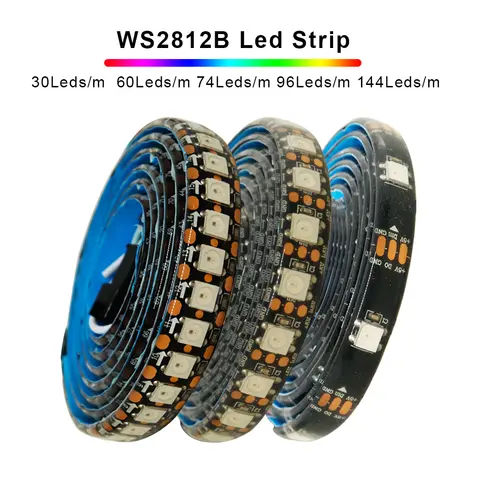
The term dc5v refers to a direct current (DC) power supply with a voltage of 5 volts, commonly used in various electronic devices and accessories. When searching for dc5v, users typically seek information about compatible power adapters, cables, or devices that operate on this voltage. This article provides a comprehensive overview of dc5v, including its applications, specifications, and how to choose the right power solution for your needs. When users search for dc5v, their intent is often to find a suitable power adapter or cable for devices that require a 5-volt DC power supply. This could include USB-powered gadgets, LED lights, small motors, or other low-voltage electronics. Understanding the specifications and compatibility of dc5v power sources is essential to ensure safe and efficient operation of your devices. To help you choose the right dc5v power solution, consider the following scenario: You want to power a small LED strip that requires a 5V DC input. Here’s how to proceed:
  1. Identify the power requirements of your device, including voltage and current (e.g., 5V 1A).
  2. Check the polarity of the device’s power port (center-positive or center-negative).
  3. Select a power adapter or cable that matches the voltage, current, and polarity specifications.
  4. Ensure the connector size and type (e.g., barrel plug, USB) are compatible with your device.
  5. Test the power supply with your device to confirm it works correctly and safely.
The correct power supply ensures your device functions properly and avoids damage due to incorrect voltage or polarity.
DC5V
Stands for Direct Current 5 Volts, a standard low-voltage power supply used in many electronic devices.
Center-Positive
A type of DC power connector where the center pin is positive and the outer sleeve is negative.
Center-Negative
A DC power connector where the center pin is negative and the outer sleeve is positive.
Amperage (A)
The measure of electric current, indicating how much power a device draws from the power supply.
When choosing a dc5v power supply, it's important to match the voltage and current ratings of your device. Here’s a comparison of common dc5v power supplies:
Model Output Voltage Current Rating Connector Type Use Case
dc5v 1.5A 5V 1.5A Barrel Plug LED strips, small motors
dc5v 3A 5V 3A USB-C High-power USB devices
dc5v 1A 5V 1A Barrel Plug Basic electronics, sensors
dc5v 2A 5V 2A USB-A Charging devices, small appliances
In addition to the standard dc5v, there are several related terms and variations that users may encounter. For example, dc3v refers to a 3-volt DC power supply, while dc5v 1.5a and dc5v 3a indicate different current ratings for the same voltage. Variants like dcv5, dvc5, and dcv501 are often used in technical specifications or product codes. The Sunon dc5v refers to a specific brand of fan or motor that operates on 5V DC. Understanding these variations helps in selecting the right power solution for your specific device. Whether you're working with dc5v 1a, dc5v 2a, or 5 v dc, always ensure the power supply matches the device's requirements to avoid damage and ensure optimal performance.

What You Need to Know About DC5V: A Comprehensive Guide for Buyers and Users

What is DC5V and Why is it Important for My Electronic Projects?

The DC5V power supply is a standard voltage level used in many electronic devices, especially in low-power applications such as USB-powered gadgets, microcontrollers, and LED lighting. If you're working on a DIY electronics project or trying to power a small device, understanding what DC5V means and how it functions is essential. Answer first: DC5V stands for Direct Current at 5 volts, and it is one of the most commonly used power standards in modern electronics. It is especially important for powering microcontrollers like the Arduino, Raspberry Pi, and various sensors and modules.
DC5V
Represents a direct current power supply of 5 volts, commonly used in low-power electronics.
Direct Current (DC)
Electricity that flows in one direction, as opposed to alternating current (AC), which changes direction periodically.
Here’s how you can understand and use DC5V in your projects:
  1. Identify the power requirements of your device. Most USB-powered devices require DC5V.
  2. Use a regulated DC5V power supply or a USB adapter to ensure stable voltage.
  3. Connect the power to your device using the correct polarity (positive and negative terminals).
For example, if you're using an Arduino Uno, it can be powered via a DC5V input through the USB port or a barrel jack. Using an unregulated power source can damage the board, so always ensure the voltage is stable.

How Can I Choose the Right DC5V Power Supply for My Device?

Answer first: To choose the right DC5V power supply, you need to consider the current (measured in amps or milliamps) your device requires, the type of connector, and whether the power supply is regulated or unregulated. When selecting a DC5V power supply, it's crucial to match the specifications of your device. For example, if you're powering a Raspberry Pi 4, it requires a DC5V power supply with at least 3A (ampere) of current. Using a lower current supply can lead to instability or even damage the device. Here’s a comparison of common DC5V power supplies:
Power Supply Type Current (A) Regulated? Typical Use
USB Wall Adapter 1A to 3A Yes Smartphones, tablets, Raspberry Pi
DC5V 1.5A Power Supply 1.5A Yes Arduino, small LED strips
DC5V 3A Power Supply 3A Yes Raspberry Pi 4, mini PCs
When shopping for a DC5V power supply on AliExpress, look for the current rating and whether it is regulated. A regulated power supply ensures a stable voltage output, which is essential for sensitive electronics.

What Are the Common Issues with DC5V Power Supplies and How Can I Fix Them?

Answer first: Common issues with DC5V power supplies include unstable voltage, incorrect polarity, and insufficient current. These can lead to device malfunctions or even damage. One of the most common problems is using a power supply that does not provide enough current. For example, if you're using a DC5V 1A power supply to power a Raspberry Pi 4 that requires 3A, the Pi may reboot unexpectedly or fail to boot at all. Here are some troubleshooting steps:
  1. Check the current rating of your power supply and compare it to your device’s requirements.
  2. Ensure the polarity is correct (positive and negative terminals are connected properly).
  3. Use a multimeter to test the voltage output and ensure it is stable at 5 volts.
  4. If the power supply is unregulated, consider upgrading to a regulated one for sensitive electronics.
In one of my projects, I used a DC5V 2A power supply for a small LED strip, but the LEDs flickered. After testing with a multimeter, I found the voltage was fluctuating. I replaced it with a regulated DC5V 3A power supply, and the issue was resolved.

What Do Users Say About DC5V Power Supplies on AliExpress?

Answer first: Users on AliExpress generally rate DC5V power supplies highly, especially when they are well-reviewed and come with clear specifications. When purchasing a DC5V power supply on AliExpress, it's important to read customer reviews and check the product ratings. Many users appreciate the affordability and reliability of regulated DC5V power supplies, especially those with 2A or 3A output. Here are some common user feedback points:
Feedback Type Positive Negative
Price Affordable compared to branded options Some users report poor build quality
Performance Stable voltage output for most devices Some unregulated models cause device instability
Delivery Fast shipping from AliExpress warehouses Occasional delays from overseas sellers
Users also mention that some DC5V power supplies come with additional features like over-current protection and short-circuit protection, which are important for safety.

Other Related Terms and Products You Might Find Useful

In addition to DC5V, there are several related terms and products that you might encounter when shopping for power supplies or working on electronics projects. These include: - DC3V: A lower voltage power supply, often used for small sensors and low-power modules. - DC 5V 1.5A: A common power supply for Arduino and similar microcontroller boards. - DC5V 3A: A higher current power supply suitable for Raspberry Pi and mini PCs. - DCV501: A specific model of power supply, often used in industrial applications. - Sunon DC5V: A brand of fan and motor power supplies that operate on DC5V. - 5V DC: A general term for 5-volt direct current power supplies. - DVC5, DVC550, DVC580: Variants of power supplies or voltage regulators. If you're working on a project that requires multiple voltage levels, you may also find it useful to explore products like DC5V to DC3V converters or USB to DC5V adapters. These can help you power different components from a single power source.

Aliexpress