










5
Results for catalytic lamp wick
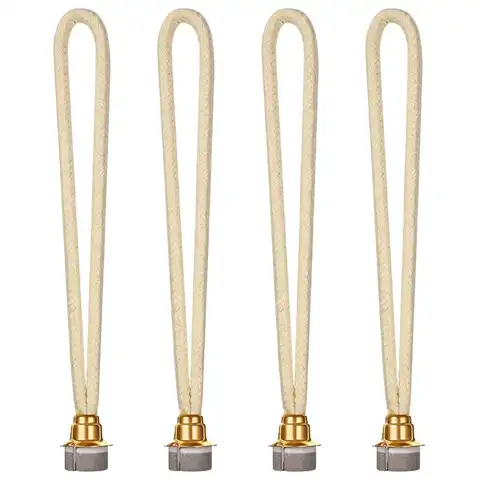
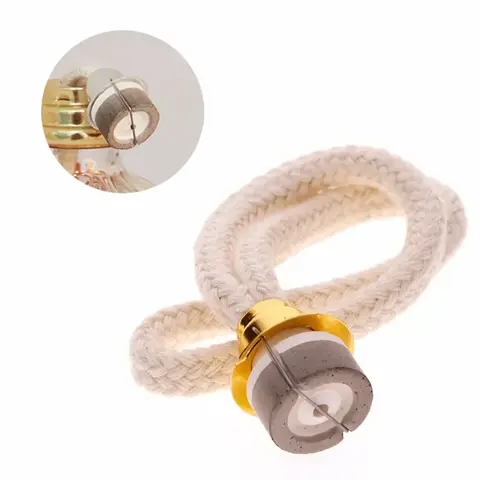
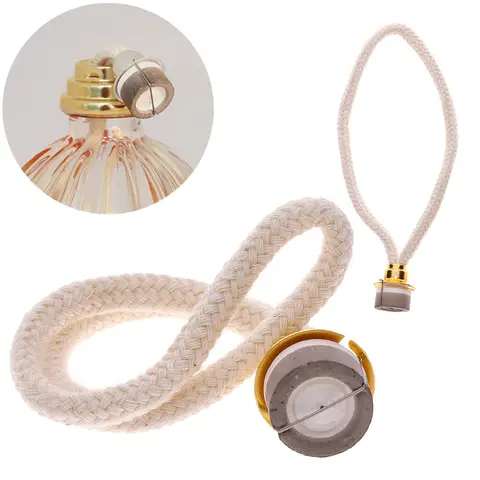
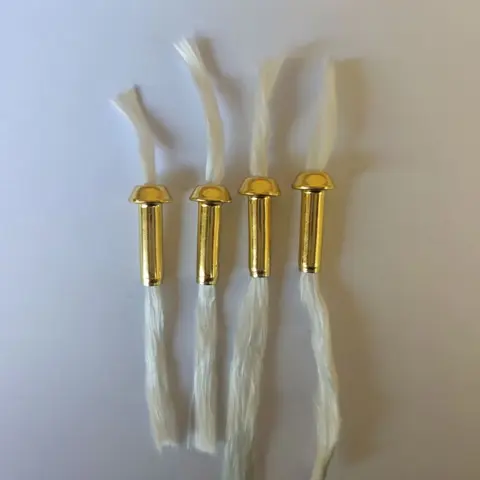
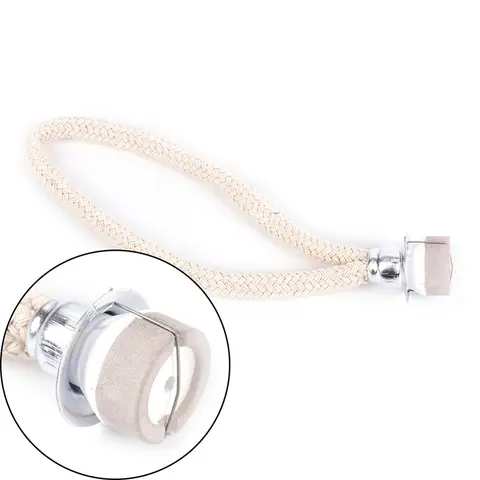
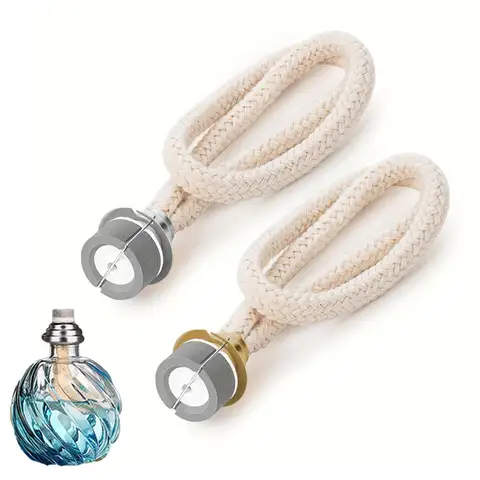
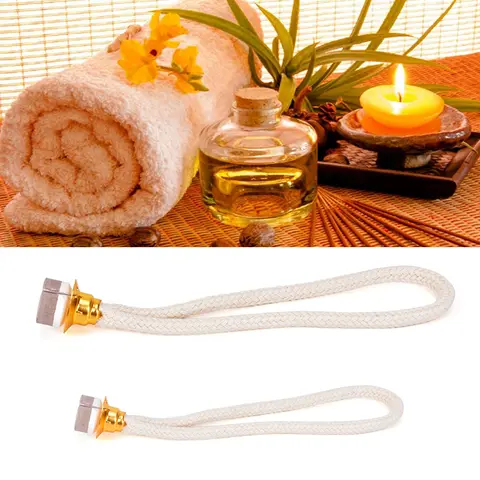
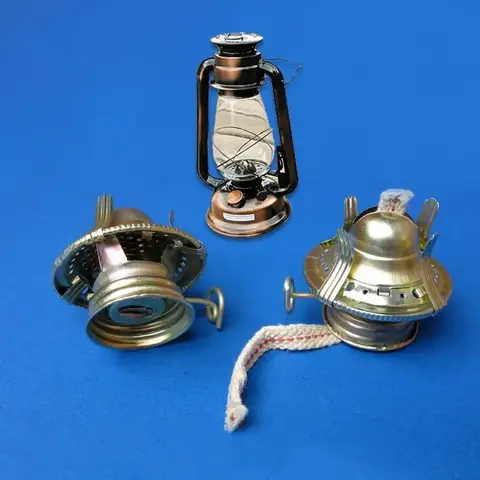
Catalytic lamp wick is a specialized component designed for use in certain types of flame-based lighting systems, particularly those involving catalytic combustion technology. This type of wick facilitates the efficient and clean burning of fuel by promoting a chemical reaction that converts fuel into light and heat without producing visible flames. It is commonly found in portable, eco-friendly lanterns and camping lamps, where safety, low emissions, and long-term durability are critical.
When selecting a catalytic lamp wick, consider the following key parameters to ensure compatibility and performance:
While the term “catalytic lamp wick” may appear in product listings related to unrelated items such as headlight covers, cycling gloves, or cosplay costumes, these are not functionally connected. The correct application is strictly within catalytic lanterns and similar fuel-burning devices. Be cautious of misleading product titles—always verify the item’s actual use case and specifications.
For users seeking reliable performance and safety, prioritize wicks from trusted brands with clear labeling, detailed specifications, and positive user feedback. Look for products that include a catalyst integrity indicator, heat-resistant construction, and easy installation features.
In summary, a properly matched and maintained catalytic lamp wick ensures clean, efficient, and long-lasting light output—making it an essential component for outdoor enthusiasts, emergency preparedness kits, and eco-conscious consumers. Always choose based on verified compatibility, material quality, and real-world performance data.
- Catalytic Combustion
- A process where a catalyst (often platinum or palladium) enables fuel to burn at a lower temperature, significantly reducing soot, smoke, and harmful emissions. This makes catalytic lamps ideal for indoor or enclosed-use environments.
- Lamp Wick
- A porous, fibrous material that draws fuel (typically alcohol or propane) upward via capillary action, allowing it to vaporize and combust efficiently at the catalytic surface.
When selecting a catalytic lamp wick, consider the following key parameters to ensure compatibility and performance:
- Check Fuel Type Compatibility: Ensure the wick is designed for your lamp’s fuel—commonly denatured alcohol, isopropyl alcohol, or propane. Using the wrong fuel can damage the catalyst or reduce efficiency.
- Verify Dimensions and Fit: Measure the wick’s diameter and length. A wick that’s too short may not draw fuel properly; one too long can cause fuel overflow or uneven burning.
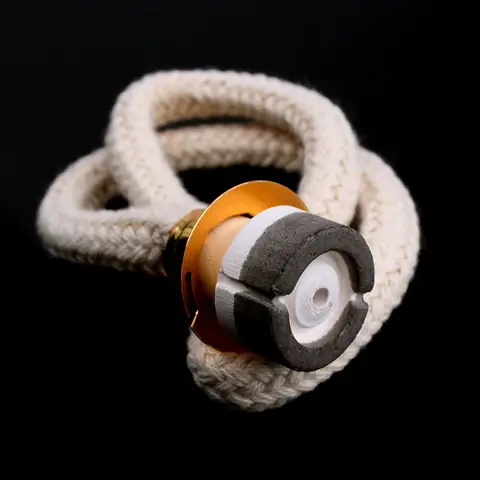
- Inspect Material Quality: High-quality wicks are made from durable, non-irritating materials like ceramic-impregnated cotton or specialized synthetic fibers. Avoid wicks with loose fibers or uneven texture.
- Replace Regularly: Over time, wicks degrade due to heat and chemical exposure. Replace every 6–12 months or when flame output diminishes, even if the wick appears intact.
- Follow Manufacturer Guidelines: Always refer to the lamp’s manual for recommended wick types and maintenance routines to avoid voiding warranties or causing safety hazards.
While the term “catalytic lamp wick” may appear in product listings related to unrelated items such as headlight covers, cycling gloves, or cosplay costumes, these are not functionally connected. The correct application is strictly within catalytic lanterns and similar fuel-burning devices. Be cautious of misleading product titles—always verify the item’s actual use case and specifications.
For users seeking reliable performance and safety, prioritize wicks from trusted brands with clear labeling, detailed specifications, and positive user feedback. Look for products that include a catalyst integrity indicator, heat-resistant construction, and easy installation features.
In summary, a properly matched and maintained catalytic lamp wick ensures clean, efficient, and long-lasting light output—making it an essential component for outdoor enthusiasts, emergency preparedness kits, and eco-conscious consumers. Always choose based on verified compatibility, material quality, and real-world performance data.