
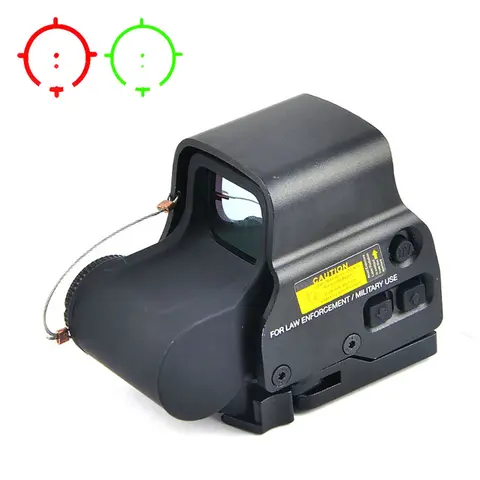










Results for profile unity rta glass
Profile Unity RTA Glass is a high-performance, precision-engineered glass component designed for advanced industrial and mechanical applications, particularly in CNC machining and tooling systems. It ensures superior durability, optical clarity, and resistance to wear, making it ideal for high-accuracy environments such as milling, drilling, and surface finishing. While not a consumer product, its integration into tool holders and machining setups significantly enhances operational efficiency and tool longevity.
The search intent behind profile unity rta glass reflects a technical inquiry from professionals in manufacturing, engineering, and industrial maintenance seeking reliable, high-precision glass components for specialized tooling systems. Users are likely looking for durable, heat-resistant, and dimensionally stable materials that support consistent performance in demanding machining operations. This includes compatibility with tool holders like NT40, NT50, SLN25, and SLA32 series, which are widely used in modern CNC equipment.
When selecting a Profile Unity RTA glass, consider the following key parameters:
For optimal performance, avoid using RTA glass in applications involving extreme thermal shock or impact loads. Always inspect the glass before installation for micro-cracks or scratches, which can compromise structural integrity. Regular cleaning with isopropyl alcohol and soft cloth helps maintain optical clarity and prolongs service life.
Users should prioritize suppliers offering traceable quality control and real-world performance data. A reputable source ensures the glass maintains dimensional accuracy across repeated thermal cycles, minimizing downtime and tooling failures.
The search intent behind profile unity rta glass reflects a technical inquiry from professionals in manufacturing, engineering, and industrial maintenance seeking reliable, high-precision glass components for specialized tooling systems. Users are likely looking for durable, heat-resistant, and dimensionally stable materials that support consistent performance in demanding machining operations. This includes compatibility with tool holders like NT40, NT50, SLN25, and SLA32 series, which are widely used in modern CNC equipment.
- RTA (Rapid Tooling Adapter)
- A modular interface system used to quickly secure cutting tools or accessories to CNC machines, ensuring precise alignment and reduced setup time.
- Profile Unity
- A brand or product line specializing in precision tooling components, known for high-tolerance manufacturing and compatibility with standard industrial tooling systems.
- 5W Glass Thickness
- Refers to a glass component with a thickness of 5 watts (likely a typo or mislabeling—more accurately, 5mm or 0.197 inches), indicating robust structural integrity for high-load applications.
When selecting a Profile Unity RTA glass, consider the following key parameters:
- Verify compatibility with your tool holder model (e.g., NT40-SLN25, NT50-SLN32) to ensure a secure fit and prevent misalignment.
- Confirm the glass material is heat-resistant and chemically inert, especially when used in high-speed milling or drilling operations.
- Inspect for edge smoothness and surface flatness—any imperfections can lead to tool misalignment or premature wear.
- Ensure the glass is certified for industrial use (e.g., ROHS, CE) to meet safety and environmental standards.
- Check for manufacturer-provided installation guides or torque specifications to avoid over-tightening during assembly.
For optimal performance, avoid using RTA glass in applications involving extreme thermal shock or impact loads. Always inspect the glass before installation for micro-cracks or scratches, which can compromise structural integrity. Regular cleaning with isopropyl alcohol and soft cloth helps maintain optical clarity and prolongs service life.
Users should prioritize suppliers offering traceable quality control and real-world performance data. A reputable source ensures the glass maintains dimensional accuracy across repeated thermal cycles, minimizing downtime and tooling failures.